Most consultants only tell you what can go right.
I’ll be upfront about what can go wrong – because the truth is, RevOps isn’t always the right solution if the timing or mindset isn’t right.
Here are 5 Reasons Tactical RevOps Engagements fail – and how to avoid them.
1) You Expect Culture Change Without Commitment
If you want to “fix the CRM” without fixing the underlying habits and processes, it won’t work.
Why this fails:
- Systems are only as strong as the people using them—tools don’t change behavior on their own.
- Leadership enthusiasm often fades after kickoff, leaving teams with no reinforcement. This lack of leadership follow-through kills momentum
- Even if leadership is committed, frontline sales reps may quietly resist new processes. Adoption tanks if they don’t understand “what’s in it for me.”
How to avoid it:
- Be prepared to commit to process change – not just tech clean-up
- Make change management part of the plan: communicate, train, coach, and reinforce.
- Show frontline teams how the changes benefit them directly (time saved, clearer goals, easier reporting).
2) Chasing Perfection or Quick Fixes – Instead of Sustainable Progress
Whether you’re trying to boil the ocean or hoping for a “set it and forget it” reset, both extremes fail.
Why this fails:
- Perfectionism creates endless delays—nothing ever “goes live.”
- Teams burn out chasing every edge case instead of focusing on the core need.
- One-time fixes decay quickly without ongoing ownership or governance..
How to avoid it:
- Start small with iterative changes and expand over time.
- Prioritize quick wins that build confidence while laying the foundation for long-term improvements.
- Plan for continuous management, whether through fractional support or internal staffing.
3) You Want Enterprise-Level Builds on a Startup Budget
I’m not a developer or a systems integrator. If you need deep custom development, you’ll need additional resources.
Why this fails:
- Expectations mismatch leads to frustration
- You burn budget on the wrong priorities
- Building enterprise-grade tech too early = wasted budget and unused functionality
How to avoid it:
- Use Tactical RevOps for process design, enablement, and scalable foundations—not custom dev work.
- Match your tech stack to your stage of growth—start with scalable foundations you’ll actually use, and expand functionality as your business matures.
4) Underestimating the Complexity of RevOps
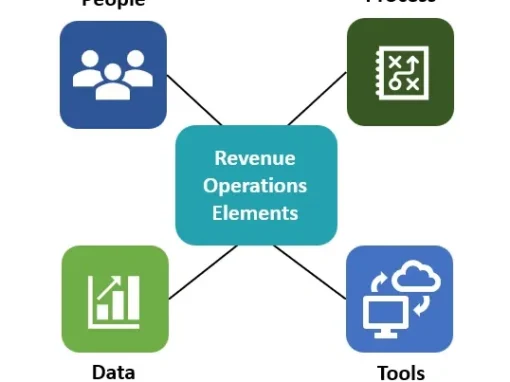
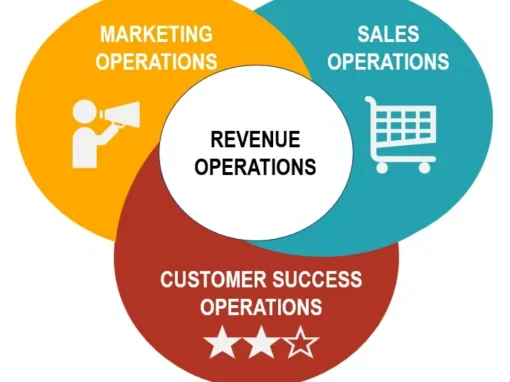
RevOps isn’t “just CRM updates.” It’s people, process, data, and tools working in sync.
Why this fails:
- Oversimplifying leads to fragile, short-term fixes.
- Treating RevOps like admininistrative burden wastes the opportunity for strategic impact.
- Relying on one person to “do it all” leads to burnout and gaps in coverage.
How to avoid it:
- Recognize RevOps as a cross-functional discipline—invest in more than one person wearing too many hats.
- Define clear roles: who drives strategy, who manages systems, and who executes.
5) Ignoring Bad Data and Technical Debt
If your CRM is full of bad data, band-aid fixes, and automation no one remembers setting up, you’re dealing with technical debt.
Why this fails:
- Bad data + old workflows = bad decisions
- No one trusts reports, so they revert to spreadsheets
- Legacy processes make it harder (and more expensive) to implement new solutions
- If you assign RevOps to someone who isn’t tech-comfortable or doesn’t want to learn new systems, things break fast
How to avoid it:
- Be ready to clean house, simplify workflows, and build a data hygiene habit
- Sometimes the smartest move is to clear out the clutter instead of duct-taping legacy systems
- Identify someone internally (or plan to hire) who is curious, tech-comfortable, and willing to own your systems and processes long term.